
-
-
-
-
-
Contact Us
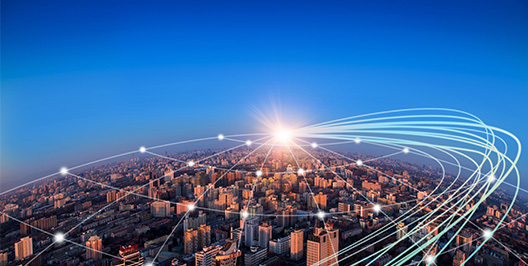

Overall Solution of High and Low Voltage Distribution System
Traditionally, the power system is divided into three major components: generation, transmission and distribution.
The electric energy generated by the power generation system is transmitted through the power transmission system and finally distributed to various users by the power distribution system.
In general, this section of the power system from the step-down distribution substation (high-voltage distribution substation) to the user side is called the distribution system.
The power distribution system is a power network system composed of a variety of power distribution equipment (or components) and power distribution facilities that converts voltage and distributes electrical energy directly to end users.
the composition of the distribution system:
In our country, the distribution system can be divided into three parts: high voltage distribution system, medium voltage distribution system and low voltage distribution system.
As the power distribution system as the last link of the power system directly facing the end user, its perfection or not directly related to the power reliability and power quality of the majority of users,
Therefore, it has an important position in the power system.
According to the provisions of the Guidelines for Urban Power Grid Planning and Design, the voltage level of China's power distribution system is 220kV and above, 35, 63 and 110kV are high-voltage power distribution systems, 10 and 6kV are medium-voltage power distribution systems, and 380 and 220V are low-voltage power distribution systems.


The power supply and distribution system of China's regions and enterprises wastes a lot of electricity, and its problems are multifaceted,
The main problems and solutions are as follows:
● Power grid capacity and load mismatch: With the development of the economy and the improvement of people's living standards, electricity consumption is increasing rapidly, the equipment and wires of the original distribution network are not matched with electricity consumption, and many places are overloaded., Not only affects the safety of power supply, but also greatly increases the loss of the distribution system. The way to save energy is to update the line and equipment.
● Unreasonable power supply voltage: In some areas and many larger power consumption units, the power supply voltage is low. For example, in the past, it was stipulated that the incoming line voltage of enterprises should be 6 kV, and the voltage should be reduced many times in the middle, which not only requires more construction funds, but also increases the power loss of the system. Appropriately increase the power supply voltage, the original two or even three step-down reduced to one, can greatly reduce the power supply system equipment and line losses.
The layout is not reasonable: many areas of electricity users and enterprises far away from the power distribution center, making the low-voltage (0.4 kV) power transmission distance is too long, resulting in a large line loss and voltage drop.
This situation is common in the old large and medium-sized enterprises, because the power distribution center was designed to be built at one end of the enterprise's introduction of power supply. The improvement measures are to move as close as possible to the distance between the power distribution center and the electrical equipment on the premise of ensuring safety, and to change the original low-voltage long-distance power transmission to high-voltage long-distance and low-voltage short-distance power transmission, which can greatly reduce the loss of power transmission lines.
● Reactive power shortage: With the development of economy, the inductive load in the power supply and distribution system increases rapidly, and many distribution transformers and motors are in a non-economic operation state with low load rate, resulting in a large demand for reactive power in the power supply and distribution system. If it is not supplemented in time, it will cause the quality of power supply voltage to decline and the system loss to increase. It will not only waste electric energy, but also affect the utilization rate of power supply and distribution equipment, and even cause accidents.
The technical measure to solve the above problems is to install compensation capacitors on the power supply side and the power consumption side. The former is called centralized compensation, and the direct beneficiary is the power supply department. The user's benefit comes from the fine of less power factor substandard. The latter is called local compensation, and the direct beneficiary is the user, mainly to reduce line loss. In addition to the above, the benefits of reactive power compensation can also increase the utilization rate of generators, transformers and other equipment, reduce power supply costs, and improve the safety of system operation.
Outdated power distribution equipment: China's use of power distribution equipment such as distribution transformers and all kinds of switches, many are old and backward, due to lack of funds and the relevant departments of energy-saving awareness is not enough and other reasons, can not be updated in a timely manner, the result is a waste of a lot of electricity.
For example, the no-load loss of distribution transformers in the early 1960 s was 1.32 times that of S1 transformer in the early 1970 s, and S1 series was about 14% smaller than S6 series, while S7 series transformers used before the late 1990 s were 45% smaller than S6 series, and S9 series transformers popularized by the state in the late 1990 s had smaller no-load loss and load loss. Other conditions such as electromagnetic switches, cable joints and connecting fittings are similar. If these old and backward power distribution equipment can be updated in time, the power distribution system can reduce a lot of unnecessary power waste.
Business Cooperation
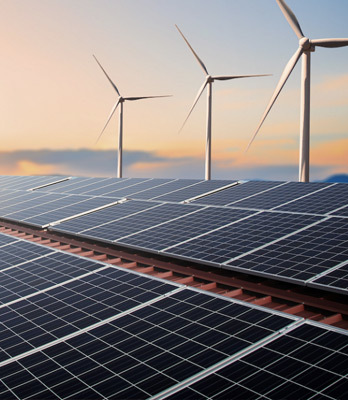
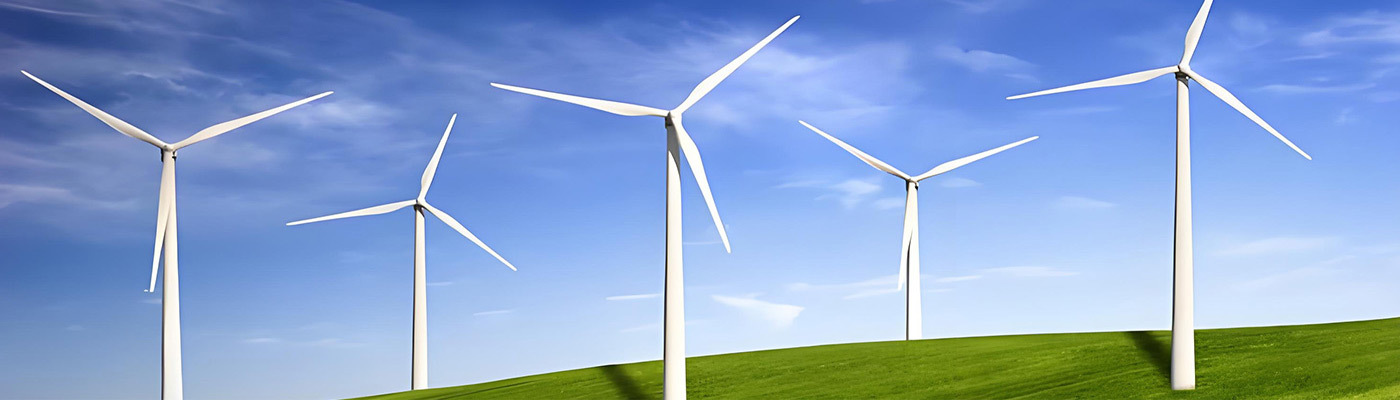
Wind power
Wind power generation is a renewable energy generation method that uses the power of wind to convert wind energy into electrical energy. Wind power generation uses wind turbines (also known as wind turbines or wind turbines) to convert wind energy into mechanical energy, and then converts the mechanical energy into electrical energy through generators. Wind power has the advantages of no pollution, no emissions, renewable, wind power project construction is divided into centralized wind power, distributed wind power.
Learn more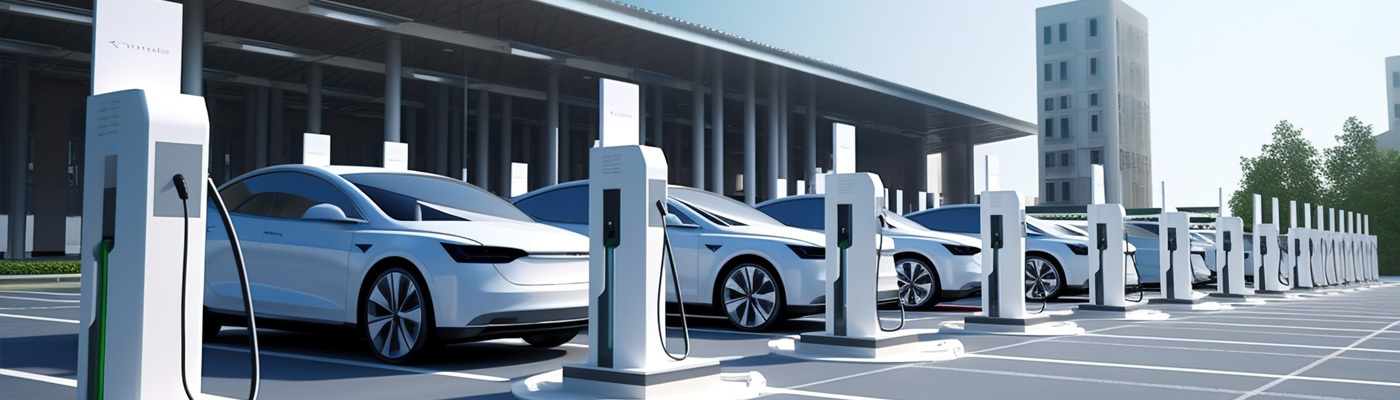
Charging pile
Hengkai electrical charging pile mainly relies on China Tower's mature power security operation experience, professional maintenance capabilities and visual, manageable and controllable intelligent monitoring platform. In the construction of automobile charging stations in all cities, counties and districts of the province, the two major models of "self-built, self-operated, co-operated" can be adopted to provide customers such as new energy buses, online car-hailing, taxis, logistics vehicles, and official vehicles. Fast charging service.
Learn more

+86-0731-86885577 +86-0731-85524109 +86-0731-85524209
cshk@cshkdq.com
Mingcheng Green Valley Wisdom Industrial Park, Renmin East Road, Jingkai District, Changsha, Hunan Province.China
SAF Coolest v1.2 设置面板 XOSSX-ADYO-HZAXE-ZXA
无数据提示
Sorry, the current column has no content for the time being.!
You can view other columns or returnHome Page