
-
-
-
-
-
Contact Us


Energy Storage Solutions
Energy storage system is an important part of the six links of power production process, "mining-transmission-distribution-storage. Energy storage system can realize energy transfer and promote the application of new energy, establish microgrid to provide electricity for areas without electricity, and use power auxiliary service solution to adjust peak frequency modulation to improve the stability of power system operation. Energy storage system is of great strategic significance to the construction of smart grid.
Energy storage systems are used for energy transfer and are divided into centralized and decentralized types. It can improve the problem of photovoltaic and wind power limit, improve the economy, reduce the instantaneous power change rate and reduce the impact of the power grid.
Centralized Storage Appliance Overview:
It is suitable for large-scale photovoltaic power plants, there are serious power limit scenarios, with grid access conditions and sufficient equipment installation sites.
Characteristic advantages:
AC bus connection, suitable for centralized management, reduce the abandonment of light, wind, improve economy, track planning and scheduling, improve grid-connected controllability, improve the accuracy of power generation prediction, improve grid-friendly.
System structure diagram:

Overview of distributed storage system solutions:
Suitable for large-scale photovoltaic power plants, there are serious power limit scenarios, do not have grid access conditions and do not need to concentrate large-area installation sites.
Characteristic advantages:
DC bus connection, modular design, flexible configuration, energy storage system does not need additional and network points, save step-up transformer, reduce the abandonment of light, wind, improve economy, peak and valley electricity price, improve system revenue.
System structure diagram:

micro grid application solutions:
The microgrid system is a power generation and distribution system that can realize self-control, protection and management according to the predetermined goal. It can not only operate with the external grid to form a networked microgrid, but also operate in isolation to form an independent microgrid. The energy storage system is an indispensable unit in the microgrid, which realizes the internal power balance of the microgrid, provides stable power for the load, improves the reliability of power consumption, and realizes seamless switching between grid-connected and off-grid.
Large-scale microgrid system solution overview:
Suitable for independent microgrid areas such as non-electricity and islands, multi-energy complementary, spontaneous self-use and other networked microgrids and photovoltaic installation scattered areas.
Characteristic advantages:
Efficient and flexible, suitable for a variety of renewable energy power generation system; AC bus connection, easy to centralized management; wide power supply radius, easy to expand, suitable for long-term transmission.
System structure diagram:

Small microgrid system solution overview:
Suitable for non-electricity areas, islands and other independent microgrid areas, applied to multi-energy complementary, spontaneous self-use and other networked microgrid scenarios and photovoltaic installation concentrated areas.
Characteristic advantages:
DC bus connection, modular design, flexible configuration, photovoltaic and energy storage decoupling design, simple control, with microgrid and off-grid seamless switching function, support power priority, microgrid priority and parallel operation mode, save fuel.
System structure diagram:

power auxiliary services solutions:
The energy storage system can realize the control of primary frequency regulation and secondary frequency regulation, monitor the load fluctuation in real time, respond to the power grid dispatching quickly, and improve the frequency stability of the power grid. The energy storage system can also dynamically adjust the reactive power of the power grid according to the change of the power factor of the power grid, reduce the system loss, and ensure the reliable operation of the power grid.
Power FM application solution overview:
It can meet the scene that requires quick response to the primary frequency regulation of the power grid, and deal with the load power change of short period; with the generator set, it is applied to the scene of the secondary frequency regulation of the power grid.
Characteristic advantages:
It can not only realize primary frequency regulation, but also realize secondary frequency regulation, effectively improve the frequency stability of the power grid, and have a fast dynamic response speed.
System structure diagram:

Business Cooperation
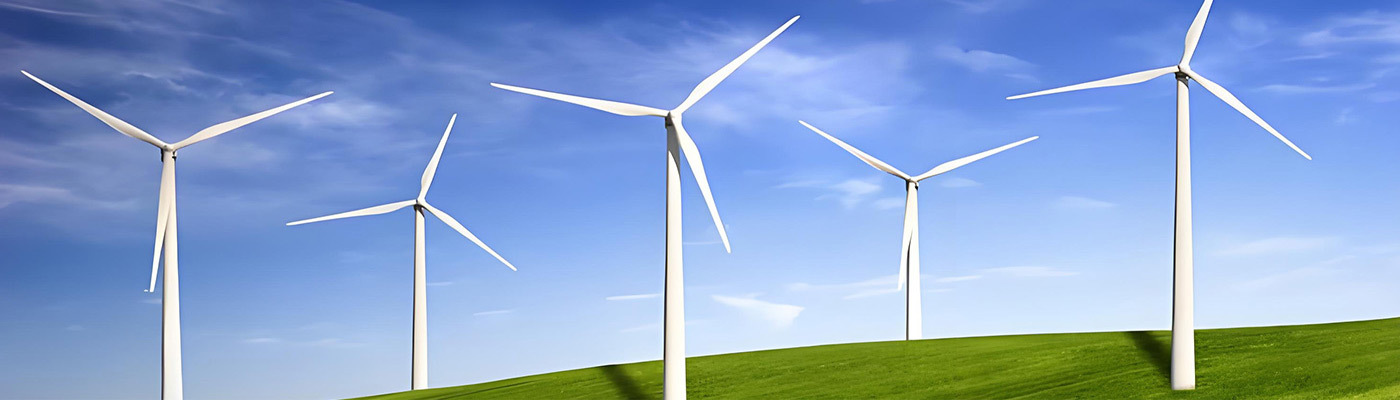
Wind power
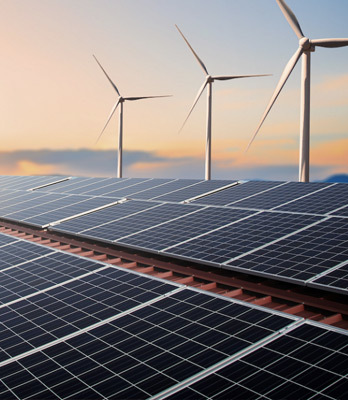
Wind power generation is a renewable energy generation method that uses the power of wind to convert wind energy into electrical energy. Wind power generation uses wind turbines (also known as wind turbines or wind turbines) to convert wind energy into mechanical energy, and then converts the mechanical energy into electrical energy through generators. Wind power has the advantages of no pollution, no emissions, renewable, wind power project construction is divided into centralized wind power, distributed wind power.
Learn more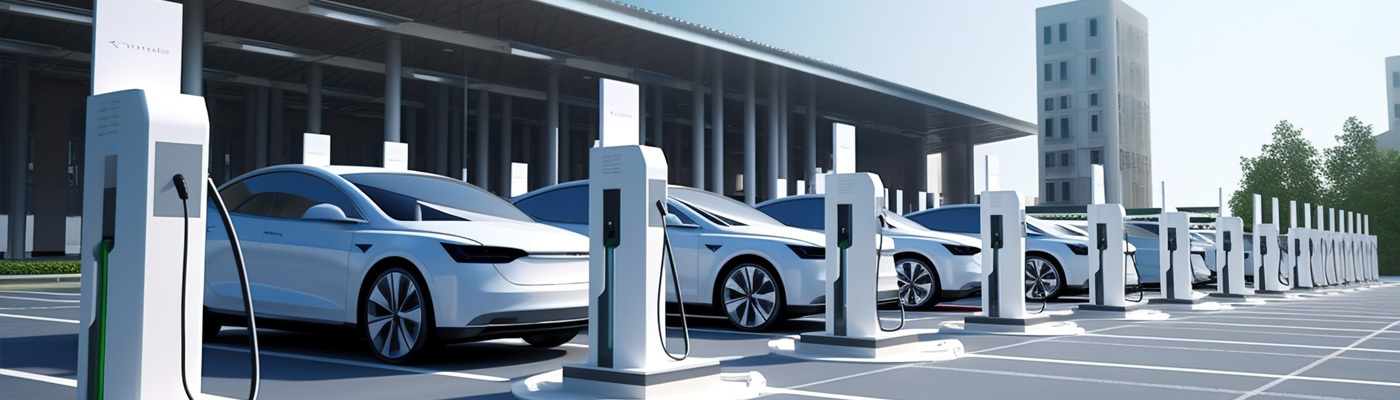
Charging pile
Hengkai electrical charging pile mainly relies on China Tower's mature power security operation experience, professional maintenance capabilities and visual, manageable and controllable intelligent monitoring platform. In the construction of automobile charging stations in all cities, counties and districts of the province, the two major models of "self-built, self-operated, co-operated" can be adopted to provide customers such as new energy buses, online car-hailing, taxis, logistics vehicles, and official vehicles. Fast charging service.
Learn more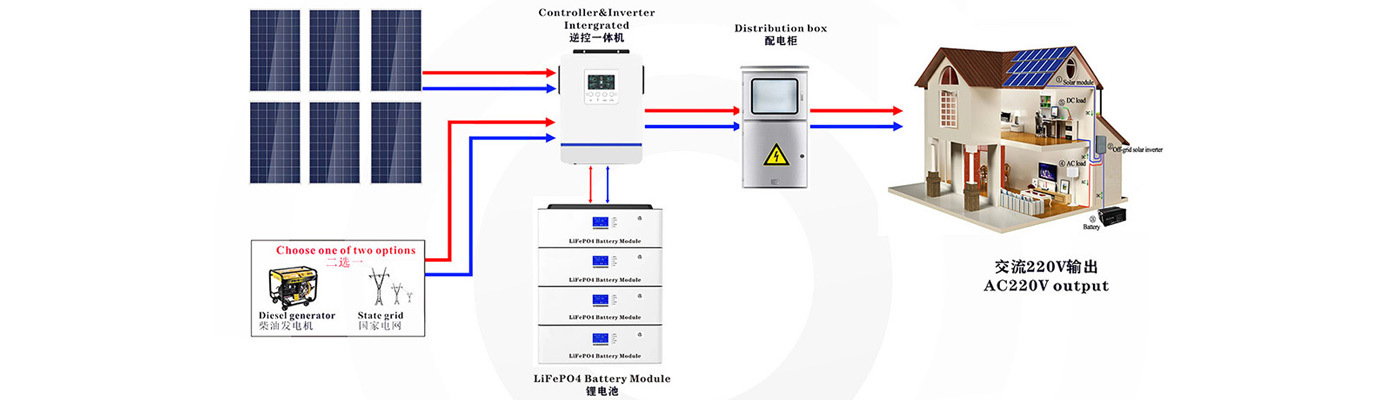

+86-0731-86885577 +86-0731-85524109 +86-0731-85524209
cshk@cshkdq.com
Mingcheng Green Valley Wisdom Industrial Park, Renmin East Road, Jingkai District, Changsha, Hunan Province.China
SAF Coolest v1.2 设置面板 XOSSX-ADYO-HZAXE-ZXA
无数据提示
Sorry, the current column has no content for the time being.!
You can view other columns or returnHome Page